When federal aid, grants, and scholarships still leave a gap in your college bill, private loans fill it, and this Sallie Mae student loans review looks at the best-known name in the business. Sallie Mae has been lending to students for decades and today offers private loans for undergraduates, graduate students, part-time enrollees, and career-training programs. As of 2026 it stands out for covering up to 100% of your school-certified costs, welcoming part-time and non-degree students many lenders reject, and charging no origination or prepayment fees. It is a strong option, but private loans should always come after you have exhausted federal aid.
Below we walk through Sallie Mae’s rates, terms, fees, and the borrower who benefits most, so you can decide whether to borrow here or shop competitors first.
In this article
| Loan types | Undergrad, graduate, part-time, career training |
| APR range (as of 2026) | Fixed and variable; roughly 3% to 17%+ by credit |
| Terms | Typically 10-15 years |
| Loan amounts | Up to 100% of school-certified cost of attendance |
| Fees | No origination or prepayment fee; late fee up to $25 |
| Grace period | 6 months after leaving school |
| Best for | Part-time students and gap financing after federal aid |
Rates & terms
Sallie Mae offers both fixed and variable interest rates, and where you land depends heavily on your credit (or your cosigner’s). As of 2026 published ranges span from the low single digits for the most creditworthy applicants up into the high teens for weaker profiles, so treat any advertised low rate as a best case and get a personalized quote. Fixed rates stay constant for the life of the loan, while variable rates rise and fall with the 30-day Average Secured Overnight Financing Rate (SOFR), meaning a variable loan could get more expensive over time.
Repayment terms typically run 10 to 15 years depending on the loan. Sallie Mae also lets you choose how you handle interest while in school: defer everything, make small fixed $25 monthly payments, or pay interest only. Making even small in-school payments meaningfully reduces the total you repay, because it keeps interest from capitalizing onto your principal.
Cosigner release and grace period
Most undergraduates need a cosigner to qualify or to get a decent rate. Sallie Mae allows cosigner release after 12 consecutive on-time principal-and-interest payments, provided the borrower meets its credit requirements at that point, freeing the cosigner from the debt. After you leave school there is a six-month grace period before payments begin, though interest still accrues during that window.
Fees & costs
Sallie Mae keeps fees light. There is no origination fee and no application fee, so your loan amount is not reduced up front, and there is no prepayment penalty if you pay ahead. The one cost to watch is the late fee: 5% of the past-due amount, capped at $25. Borrowers also get a nice extra in four free months of Chegg Study, a modest but genuine perk for a student budget.
Benefits & standout features
Sallie Mae’s biggest edge is inclusivity. It finances part-time students, non-degree career-training programs, and graduate fields that pickier lenders skip, and it will lend up to 100% of your certified cost of attendance. Add multiple in-school payment options, cosigner release, no origination fee, and the Chegg perk, and you have a flexible, widely available lender with the brand recognition of an industry veteran.
- Covers up to 100% of certified cost of attendance
- Loans for part-time and career-training students
- No origination or prepayment fees
- Cosigner release after 12 on-time payments
- Four free months of Chegg Study
- No income-driven repayment or forgiveness like federal loans
- Best rates require strong credit or a cosigner
- Only a 6-month grace period (some rivals offer 9)
- Variable rates can rise with SOFR
- Late fee of up to $25 per missed payment
Who it’s for & who should skip
Sallie Mae is a smart choice if you have a funding gap after federal aid, especially if you are a part-time student, in a career-training program, or need a lender that will cover your full cost of attendance. The flexible in-school payment options and cosigner release make it workable for a wide range of students and families.
You might skip it if you can find a longer grace period or lower rate elsewhere. Earnest offers a 9-month grace period and no fees at all, while College Ave and Ascent are worth comparing for rate and repayment flexibility. Get quotes from two or three private lenders, since each uses its own underwriting and you may qualify for a better rate at one than another.
Frequently asked questions
Does Sallie Mae charge origination fees?
Can I release my cosigner from a Sallie Mae loan?
How long is the grace period?
Should I use Sallie Mae or federal loans?
The Bottom Line
Our Sallie Mae student loans review finds a flexible, inclusive private lender that earns its place for the right borrower. Covering up to 100% of your cost of attendance, welcoming part-time and career-training students, charging no origination or prepayment fees, and offering cosigner release make it a solid gap-financing choice in 2026. The trade-offs are real, though: private loans forgo the federal safety net, the best rates demand strong credit, and the six-month grace period trails some competitors. Exhaust federal aid first, compare a couple of private lenders, and if you are juggling repayment against other goals, our guide on investing vs. paying off debt and the Discover it Student Cash Back card can help you manage money through college.

Read also
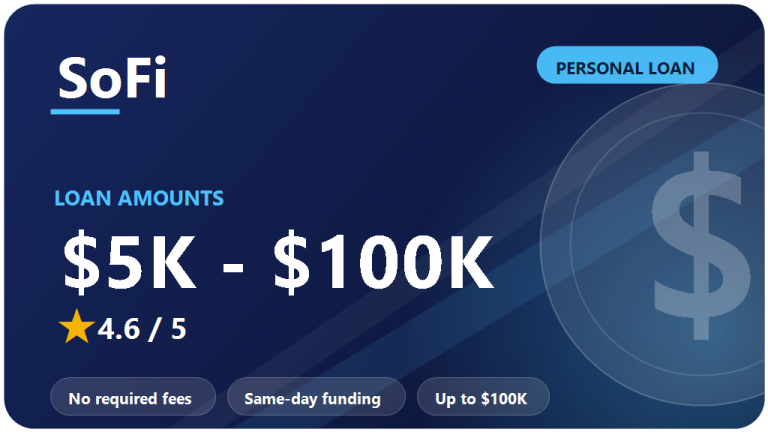
SoFi Personal Loan Review 2026: Is It Worth It?
Our SoFi personal loan review covers rates, fees, and funding speed. Loans up to $100,000 with no origination, late, or…
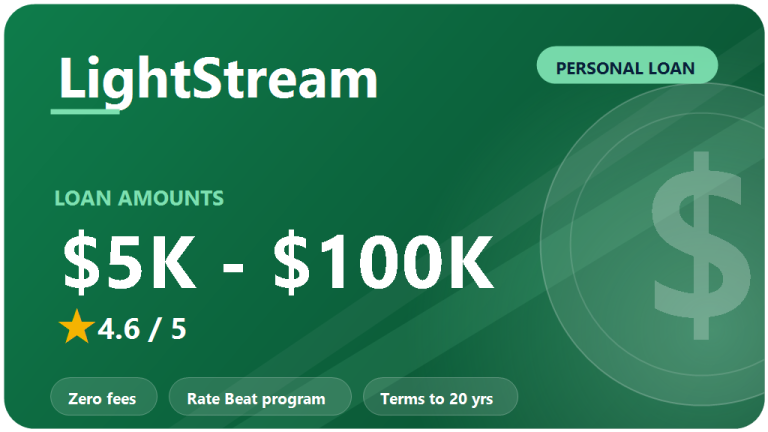
LightStream Personal Loan Review 2026: Is It Worth It?
Our LightStream personal loan review covers rates, terms, and its no-fee promise. Loans up to $100,000 with a Rate Beat…
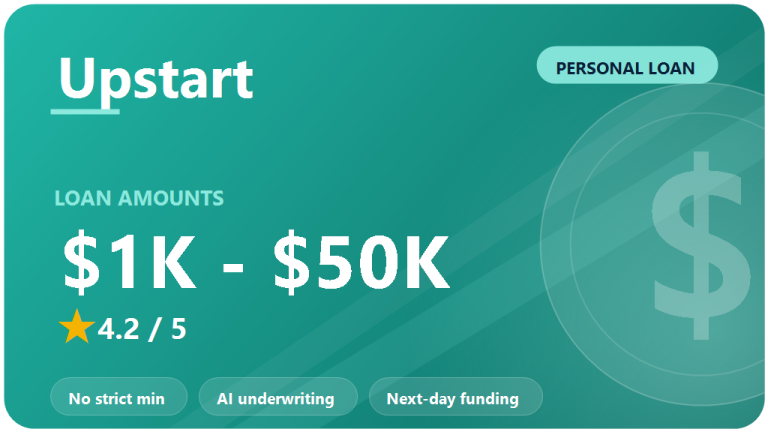
Upstart Personal Loan Review 2026: Is It Worth It?
Our Upstart personal loan review covers its AI underwriting, rates, and fees. Loans from $1,000 with no strict minimum credit…