This Carvana auto loan review looks at the financing arm of the online used-car retailer that turned buying a car into a fully digital experience — complete with the famous car vending machines. Carvana finances loans in house, which means it can approve almost anyone: there is no minimum credit score, the income requirement is low, and the entire application is folded into the checkout process for the car you are buying. For buyers with thin or damaged credit who want a one-stop, no-haggle purchase, that convenience is the whole appeal.
The tradeoff is cost and lock-in. Because Carvana serves so many higher-risk borrowers, its APRs can run high, and its financing only applies to Carvana’s own inventory. Below we break down the rates, terms, fees, and who should — and should not — use it.
In this article
| Loan amounts | Tied to the price of the Carvana vehicle you buy |
|---|---|
| APR range | Roughly 7.90%–27.90% depending on credit (as of 2026 — confirm with a real quote) |
| Terms | 36–78 months |
| Fees | No application or document fees; no prepayment penalty |
| Credit needed | No minimum score; income of at least $5,100/year and no active bankruptcy |
| Best for | Buyers with fair or poor credit who want an all-online, no-haggle car purchase |
Rates & terms
Carvana’s APRs vary enormously with your credit profile. Well-qualified buyers (scores around 660 and up) can land near the bottom of the range, while borrowers with poor or no credit can see rates approaching the high 20s. Published ranges generally span roughly 7.90% to 27.90%, though your actual number is set when you prequalify. The good news is that prequalifying on Carvana uses a soft credit check that does not affect your score, so you can see your personalized terms risk-free before committing to a car.
Loan terms run from 36 to 78 months. That 78-month option is longer than many traditional lenders offer, and while it lowers the monthly payment, it also means more total interest and a higher chance of going “underwater” — owing more than the car is worth — especially on a used vehicle that is already depreciating. Choose the shortest term you can comfortably afford. Carvana charges no prepayment penalty, so paying the loan down early is always an option.
Financing is built into the purchase
Unlike a bank that hands you a check to spend anywhere, Carvana financing only applies to cars sold by Carvana. You prequalify, browse Carvana’s inventory with your personalized terms attached, and complete financing as part of the online checkout. It is seamless if you are set on buying from Carvana, but it means you cannot use this loan for a private-party sale or a car from another dealer.
Fees & costs
On the loan itself, Carvana is clean: there are no application fees and no document fees, and no prepayment penalty. The cost that matters is the APR, which for higher-risk borrowers can be steep. Because the financing is bundled with the car purchase, pay close attention to the total: the vehicle price, any add-on products, and the APR together determine what you actually pay. Carvana’s no-haggle pricing removes negotiation, which some buyers love and others see as leaving money on the table.
A smart strategy many buyers use: take Carvana’s financing to get the car now, then refinance through a local bank or credit union within about 60 to 90 days if your credit supports a lower rate. Because there is no prepayment penalty, refinancing away from a high initial APR can save a substantial amount of interest without any exit fee. Just make sure the new lender’s terms genuinely beat what you have.
- No minimum credit score — genuinely accessible for poor or thin credit
- Soft-pull prequalification that does not affect your score
- Low income bar (about $5,100/year) and no active bankruptcy required
- No application, document, or prepayment fees
- Fully online, no-haggle buying experience with a 7-day return policy
- APRs can be high, especially for lower credit scores
- Financing only works on Carvana’s own inventory
- Terms up to 78 months raise the risk of being underwater
- No private-party or outside-dealer purchases
Benefits & standout features
Carvana’s biggest strength is inclusivity paired with convenience. Buyers who have been turned down elsewhere can often get approved here, and the whole process — prequalify, pick a car, finance, and arrange delivery or pickup — happens online in one sitting. The 7-day return policy is a real safety net: if the car is not right, you can send it back, which is unusual for a used-car purchase.
The no-haggle model also removes the high-pressure finance-and-insurance office that many buyers dread. What you see is what you pay. If you want to compare Carvana against other ways to finance a car, it is worth looking at Capital One Auto Finance, which also welcomes fair credit but lets you shop a wide dealer network, and at big-bank options like Chase Auto and Bank of America. Borrowers looking specifically to lower an existing payment should also compare a dedicated refinance specialist such as Autopay.
Who it’s for — and who should skip
Carvana is a strong fit for buyers who want a used car from Carvana’s inventory and value the all-online, no-haggle experience — especially those with fair or poor credit who struggle to get approved elsewhere. The soft-pull prequalification and return policy lower the risk of trying it.
You should skip it if you have strong credit and can secure a materially lower APR from a credit union or bank, if you want to buy from a private seller or a non-Carvana dealer, or if you are uncomfortable buying a car you have not test-driven in the traditional sense (the return window mitigates but does not eliminate this). As always, prequalify with more than one lender and compare APRs. And if this purchase is part of rebuilding your finances, our guide on investing vs. paying off debt can help you decide what to tackle first.
What credit score do I need to finance with Carvana?
Does checking my Carvana rate hurt my credit?
Can I refinance my Carvana loan later?
Can I use Carvana financing on any car?
The Bottom Line
This Carvana auto loan review concludes that the service is best understood as a convenience-and-access play rather than a lowest-rate lender. Its willingness to finance almost any buyer, the seamless online purchase, the soft-pull prequalification, and the 7-day return policy make it genuinely useful — particularly for those with imperfect credit. The costs are potentially high APRs, long available terms, and lock-in to Carvana’s inventory. If you use it, treat a high rate as temporary and refinance when you can. At 4.1 out of 5, Carvana earns a solid recommendation for the buyer it is built for.

Read also
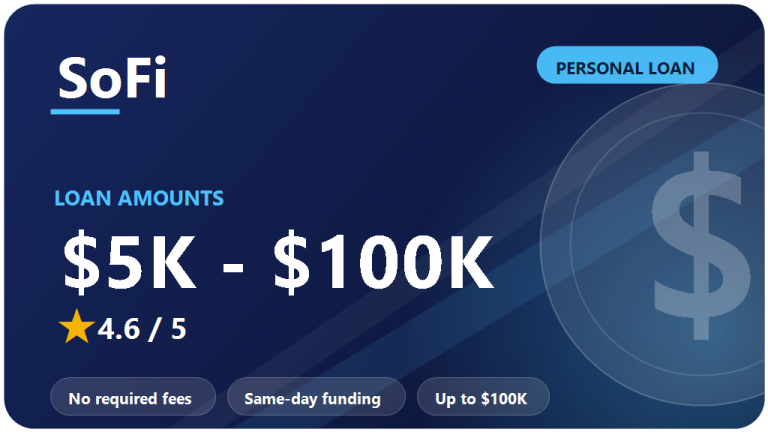
SoFi Personal Loan Review 2026: Is It Worth It?
Our SoFi personal loan review covers rates, fees, and funding speed. Loans up to $100,000 with no origination, late, or…
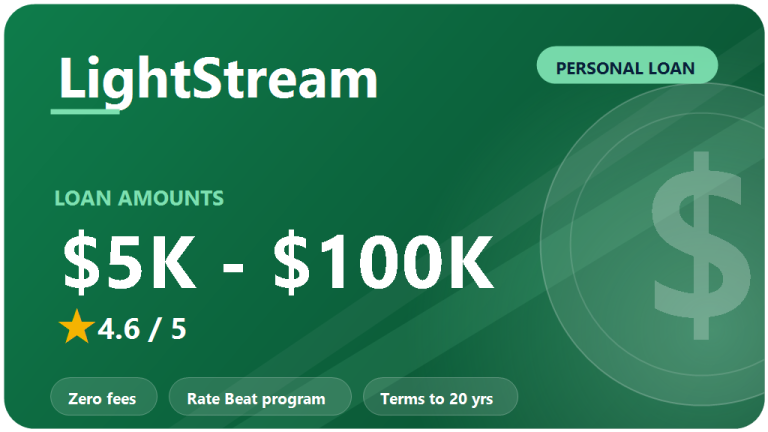
LightStream Personal Loan Review 2026: Is It Worth It?
Our LightStream personal loan review covers rates, terms, and its no-fee promise. Loans up to $100,000 with a Rate Beat…
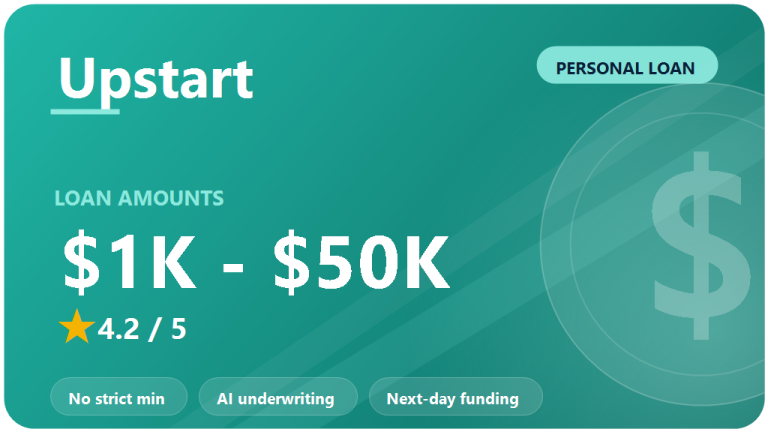
Upstart Personal Loan Review 2026: Is It Worth It?
Our Upstart personal loan review covers its AI underwriting, rates, and fees. Loans from $1,000 with no strict minimum credit…