If you have earned a VA home loan benefit, the lender you choose can make the difference between a smooth, zero-down closing and a frustrating slog. This Veterans United review covers what the nation’s top VA purchase lender delivers in 2026 — the loan types, rates, fees, funding fee, and closing timeline — and whether its VA specialization is worth choosing over a big bank or online lender.
Veterans United Home Loans focuses almost entirely on VA loans for active-duty service members, veterans, and eligible spouses, backed by underwriters who work with VA rules all day long. Here is the honest breakdown.
In this article
| Loan types offered | Primarily VA purchase, VA refinance (IRRRL and cash-out); also conventional, FHA, USDA, and jumbo for eligible borrowers |
|---|---|
| Rate type | Fixed (15, 30-year) and adjustable-rate VA options |
| Rate range | Around 5.375%–5.75% on VA fixed loans as of early July 2026 — rates move daily, so confirm with a quote |
| Minimum down payment | 0% on VA loans for eligible borrowers |
| Closing time | Averages about 34 days, faster than the national average |
| Best for / credit needed | Veterans and military families; typically 620+ but flexible for VA |
Veterans United rates and terms
Veterans United publishes daily VA rates, which is refreshingly transparent. As of early July 2026, its 30-year fixed VA purchase rate sat around 5.625%, the 15-year around 5.375%, and VA refinances near 5.75% — competitive numbers that, on average, have landed slightly below the average prime offer rate in recent years. VA loans require no down payment and no private mortgage insurance, which is the core reason they are often the cheapest path to homeownership for those who qualify.
Terms run the standard 15- and 30-year fixed options plus adjustable-rate choices. Because a VA loan lets you buy with zero down, it frees up cash you might otherwise sink into a down payment — money that could stay invested. Our guide on how much you should invest each month can help you decide what to do with that flexibility.
Fees and the VA funding fee
Veterans United can charge an origination fee of up to 1% of the loan amount; its 2024 average origination fee was about $1,943. The bigger cost for most borrowers is the one-time VA funding fee, which replaces mortgage insurance — typically 2.15% of the loan amount for first-time VA buyers with no down payment (it drops with a down payment and is waived for veterans with a service-connected disability rating). The good news: Veterans United’s total average mortgage cost in 2024 was about $6,241, lower than the roughly $6,861 average for other large national lenders.
Benefits and standout features
Specialization is the whole story. Because Veterans United handles VA loans almost exclusively, its underwriters navigate quirks — entitlement restoration, residual income requirements, condo approvals — that trip up generalist lenders. The result is a smoother process and an average closing time of about 34 days, faster than the national norm. The lender also offers 24/7 customer support, a dedicated loan team, and free tools like credit counseling through its Lighthouse program to help borrowers who are not quite loan-ready yet.
Customer satisfaction is a genuine strength, with high Trustpilot marks and strong repeat-borrower loyalty. For many military families, the VA-focused guidance alone justifies the choice. The lender also assigns each borrower a dedicated loan team rather than routing you through a call center, so the person who takes your application generally stays with you through closing. That continuity matters on VA files, where a single missed detail on entitlement or occupancy can stall an approval, and it is a big reason Veterans United closes as reliably as it does.
Who it’s for — and who should skip it
Veterans United is the obvious pick if you are eligible for a VA loan and want a lender that lives and breathes the program. It shines for first-time VA buyers, borrowers with less-than-perfect credit who need flexible VA underwriting, and anyone who values responsive support. Skip it if you are not VA-eligible — while it offers conventional and FHA loans, those are not its focus and you may find better pricing elsewhere. It is also worth noting the company has faced legal challenges, including a class-action suit filed in 2026, so read your disclosures carefully as you would with any lender.
- The leading VA purchase lender, deeply specialized
- Competitive VA rates published daily
- Zero down payment and no PMI on VA loans
- Below-average total costs versus peers
- 24/7 support and free credit counseling
- Best value is only for VA-eligible borrowers
- VA funding fee applies (unless waived)
- Origination fee up to 1%
- Faced a class-action lawsuit in 2026
Frequently Asked Questions
Who qualifies for a Veterans United loan?
Do I need a down payment with Veterans United?
What is the VA funding fee?
How fast does Veterans United close?
The Bottom Line
This Veterans United review lands on a strong recommendation for its core audience: if you are VA-eligible, few lenders match its specialization, competitive rates, and support. The zero-down, no-PMI structure is hard to beat. If you are not eligible for a VA loan, a lender like Rocket Mortgage, Chase, or Bank of America will likely serve you better. Either way, with no down payment freeing up cash, make sure you have a plan for it — start with our step-by-step guide to investing for beginners.

Read also
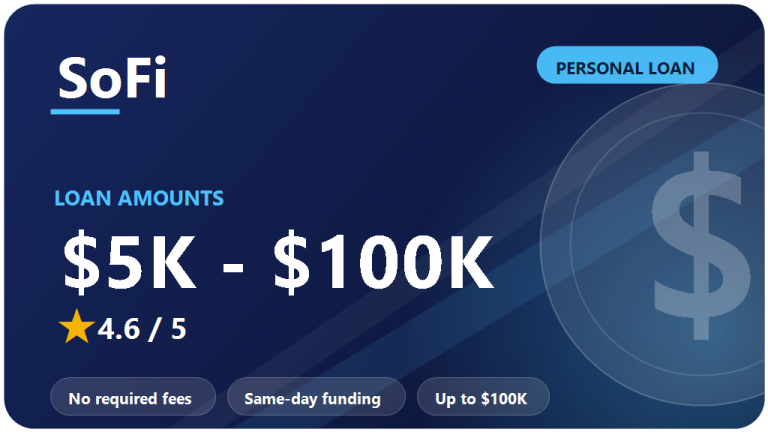
SoFi Personal Loan Review 2026: Is It Worth It?
Our SoFi personal loan review covers rates, fees, and funding speed. Loans up to $100,000 with no origination, late, or…
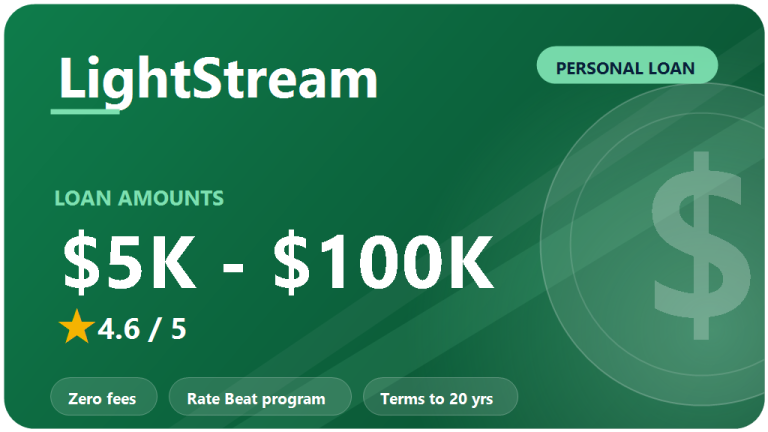
LightStream Personal Loan Review 2026: Is It Worth It?
Our LightStream personal loan review covers rates, terms, and its no-fee promise. Loans up to $100,000 with a Rate Beat…
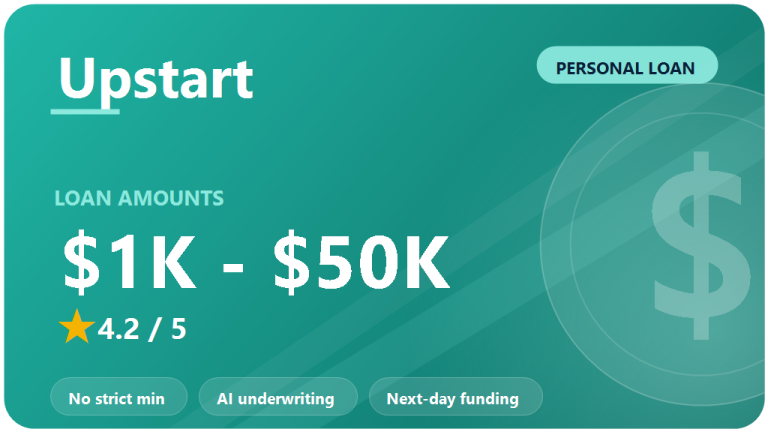
Upstart Personal Loan Review 2026: Is It Worth It?
Our Upstart personal loan review covers its AI underwriting, rates, and fees. Loans from $1,000 with no strict minimum credit…