If your current car payment feels too high, this Autopay auto refinance review explains how a lending marketplace can help you shop dozens of banks and credit unions with a single application. Autopay is not a bank itself; it is a broker that has been matching drivers with refinance, purchase, cash-out, and lease-buyout loans since 2007. Its pitch is simple: fill out one form, let a network of roughly 240 lenders compete for your loan, and take the best offer. As of 2026 that model makes Autopay one of the easiest ways to comparison-shop auto refinancing without pounding the pavement yourself.
Below we cover how Autopay works, the rates and terms you can expect, where the fees actually come from, and whether a marketplace is the right tool for your situation.
In this article
| Loan types | Auto refinance, cash-out refi, lease buyout, purchase |
| APR range (as of 2026) | From ~4.29% to ~17.99%, depending on credit |
| Terms | 24 to 84 months |
| Lender network | ~240 banks & credit unions |
| Minimum credit | As low as 550 through some partners |
| Prequalification | Soft credit check; no score impact to start |
| Best for | Borrowers who want to compare many refi offers at once |
Rates & terms
Because Autopay is a marketplace, your rate comes from whichever partner lender wins your business, not from Autopay itself. As of 2026 advertised rates start around 4.29% APR and can climb toward 17.99% for higher-risk borrowers. The low end is reserved for applicants with excellent credit, typically 740-plus scores, strong income, and a long positive payment history, so treat the starting rate as a best case and confirm your real number with a quote.
Repayment terms range from 24 to 84 months. Longer terms lower your monthly payment but cost more interest over time, and stretching a car loan to seven years can leave you owing more than the car is worth. Autopay also offers cash-out refinancing, letting qualified borrowers pull out extra cash above their existing balance, plus lease buyouts if you want to keep a leased vehicle. A handy detail: because refinancing happens as soon as the title can be transferred, there is generally no waiting period, and many partners let you defer your first payment for up to 45 days.
Fees & costs
Autopay does not charge you a fee to use its matching service; it is paid by the lenders in its network. However, the actual loan you accept may carry its own costs, so read each offer carefully. Depending on the partner and your state, you could see a lender origination or documentation fee, and there may be state title-transfer fees when your loan is refinanced. More than half of Autopay’s partners offer an autopay rate discount of 0.25% to 0.50% when you enroll in automatic payments, which is worth grabbing.
Benefits & standout features
The core benefit is efficiency. Instead of applying to five different banks and credit unions yourself, one Autopay form puts your profile in front of a large network, and the platform surfaces the strongest matches. That is especially valuable for refinancing, where the whole point is finding a lower rate than you already have. Autopay’s wide credit range, with some partners considering scores as low as 550, also means borrowers who were turned away elsewhere have a realistic shot at an offer.
- One application shops roughly 240 lenders
- Soft-pull prequalification with no score impact
- Handles refinance, cash-out, lease buyout, and purchase
- Accepts credit scores as low as 550 through some partners
- First payment often deferred up to 45 days
- Not a direct lender; you don’t control who funds the loan
- The lowest advertised rates require excellent credit
- Partner lenders may charge origination or doc fees
- May receive follow-up calls or emails after applying
- Final terms vary widely by lender and state
Who it’s for & who should skip
Autopay is a great fit if you want to refinance an existing car loan and would rather compare many offers through one application than chase lenders individually. It also helps borrowers with fair or rebuilding credit find options a single bank might not extend. If you value convenience and a soft-pull first look, the marketplace model earns its keep.
You might skip Autopay if you already have a relationship with a lender offering a great rate, or if you prefer dealing directly with the institution that will service your loan. Big banks such as Bank of America and credit unions like PenFed lend directly and may beat a marketplace offer, while an online retailer like Carvana bundles financing into the car purchase itself. As always, compare Autopay’s best match against at least one direct lender before you sign.
Frequently asked questions
Is Autopay a lender or a broker?
Will checking my rate hurt my credit?
What credit score do I need to refinance with Autopay?
Can I get cash back when I refinance?
The Bottom Line
Our Autopay auto refinance review rates it a dependable, convenient way to comparison-shop a car loan without the legwork. The marketplace model, soft-pull prequalification, wide lender network, and support for cash-out and lease-buyout refinancing make it especially useful for anyone looking to lower an existing payment. Just remember that Autopay does not set the rate or service the loan, the headline APR requires strong credit, and partner lenders may add their own fees, so scrutinize every offer. Before committing, weigh whether refinancing beats other uses of your money by reading our take on investing vs. paying off debt and make sure you have an emergency fund in place first.

Read also
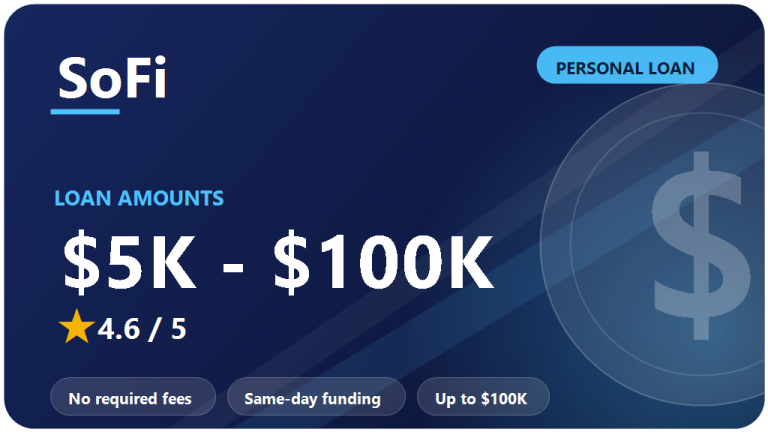
SoFi Personal Loan Review 2026: Is It Worth It?
Our SoFi personal loan review covers rates, fees, and funding speed. Loans up to $100,000 with no origination, late, or…
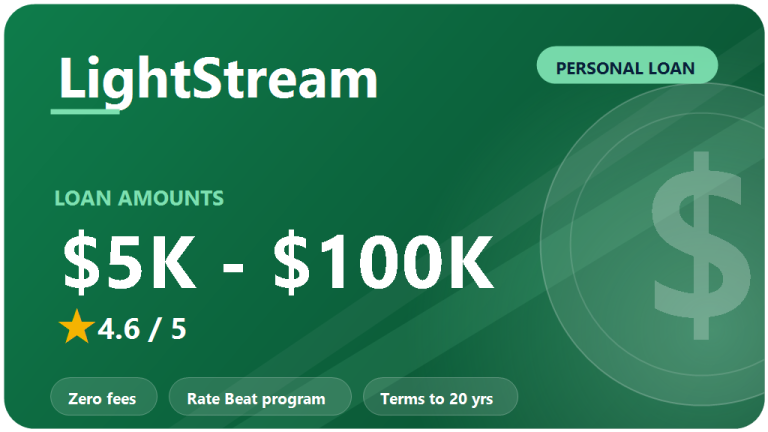
LightStream Personal Loan Review 2026: Is It Worth It?
Our LightStream personal loan review covers rates, terms, and its no-fee promise. Loans up to $100,000 with a Rate Beat…
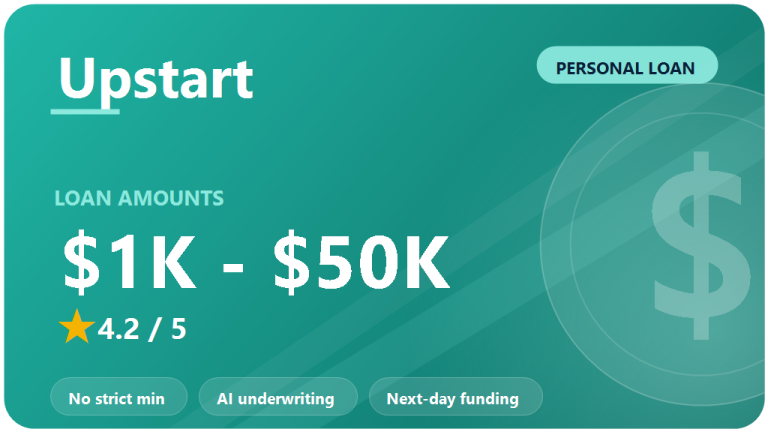
Upstart Personal Loan Review 2026: Is It Worth It?
Our Upstart personal loan review covers its AI underwriting, rates, and fees. Loans from $1,000 with no strict minimum credit…