This College Ave student loans review looks at one of the best-known specialists in private education financing. Unlike big banks that treat student lending as a side business, College Ave was built from the ground up to do one thing: fund college. That focus shows up in a fast, mobile-friendly application, an unusually flexible set of repayment options, and rate ranges that compete with the strongest names in the space. Whether you are an undergraduate borrowing with a parent cosigner, a graduate student, or a parent taking out a loan in your own name, College Ave is worth a close look before you sign.
Below we break down the rates, fees, in-school payment choices, and the borrowers who get the most out of it, plus where a federal loan or a different private lender might serve you better.
In this article
| Loan types | Undergraduate, graduate, career, MBA, medical, dental, law, parent, and refinance loans |
| Loan amounts | $1,000 up to 100% of the school-certified cost of attendance |
| APR range (as of 2026) | Fixed roughly 2.49%–17.99%; variable roughly 3.89%–17.99% (with autopay discount) |
| Repayment terms | 5, 8, 10, or 15 years (up to 20 for some health-profession loans) |
| Fees | No application, origination, or prepayment fees |
| Best for | Borrowers who want flexible in-school payments and a quick, digital application |
Rates & terms
College Ave offers both fixed and variable rates, and as of 2026 its advertised ranges are competitive with the top tier of private lenders. Fixed rates start around 2.49% APR and variable rates start near 3.89% APR when you enroll in automatic payments, which earns a 0.25 percentage point discount. As always with private student loans, the lowest advertised rate goes to the strongest applications; most undergraduates with a creditworthy cosigner land somewhere in the middle of the range.
Rates move constantly, so treat any published number as a starting point and pull a personalized quote before deciding. College Ave lets you check your estimated rate with a soft credit inquiry that does not hurt your credit score, which makes it easy to compare against other lenders.
Fixed vs. variable
A fixed rate locks your monthly payment for the life of the loan, so you always know what you owe. A variable rate can start lower but rises or falls with the 30-day average SOFR index, meaning your payment can climb over a decade-plus term. If you plan to pay the loan off quickly, the variable option can save money; if you want predictability, the fixed rate is the safer call. If the fixed-versus-variable decision matters to you across all your borrowing, our guide on how compound interest works explains why the rate you choose compounds into real dollars over time.
Repayment terms and in-school options
Terms run 5, 8, 10, or 15 years for most loans, with up to 20 years available on certain medical, dental, and law loans. Where College Ave really stands out is in-school flexibility. Instead of forcing you to defer everything until graduation, it offers four choices while you are enrolled: full principal-and-interest payments, interest-only payments, a flat $25 monthly payment, or full deferment. Chipping away even $25 a month keeps interest from piling up as fast, and it is one of the cheapest ways to graduate with a smaller balance.
Fees & costs
College Ave keeps its fee structure clean. There is no application fee, no origination fee, and no prepayment penalty, so you can make extra payments or pay the loan off early without being charged. The only fees you are likely to encounter are late-payment fees if you miss a due date. That no-junk-fee approach is standard among the best private student lenders, but it is still worth confirming, because federal PLUS and some bank loans do carry origination fees that quietly shrink your disbursement.
- Competitive fixed and variable rates for well-qualified borrowers
- Four in-school repayment options, including a low $25 flat payment
- No application, origination, or prepayment fees
- Fast, fully digital application with a soft-pull rate check
- Cosigner release available after 24 on-time monthly payments
- Top-tier rates require strong credit or a creditworthy cosigner
- No autopay reward beyond the standard 0.25% discount
- Most undergraduates will need a cosigner to qualify
- Private loans lack federal protections like income-driven repayment and forgiveness
Benefits & standout features
The headline feature is flexibility. Few lenders let you fine-tune both your term length and your in-school payment behavior as precisely as College Ave does, and the ability to make a token $25 payment while enrolled is a genuinely useful middle ground between full deferment and full payments. The cosigner release policy is another plus: after 24 consecutive on-time payments and a credit review, the student can take the cosigner off the loan, freeing that parent or relative from the obligation.
The application experience is also a strength. You can get a real rate estimate in a few minutes with no credit-score impact, and the whole process is designed for a phone. For borrowers comparing options, that speed makes it painless to line College Ave up against rivals like Earnest and Sallie Mae before committing.
Who it’s for & who should skip it
College Ave is a strong fit for undergraduate and graduate students who have already maxed out federal aid and need to bridge a funding gap, especially those who value in-school payment flexibility. Parents who want to borrow directly and creditworthy borrowers chasing a low fixed rate will also find it appealing.
You should think twice if you have not yet exhausted federal student loans. Federal loans come with income-driven repayment plans, deferment, and potential forgiveness that no private lender, College Ave included, can match. Always file the FAFSA and take federal funding first. If you are weighing whether to borrow at all versus attacking existing debt, our take on investing versus paying off debt can help frame the decision.
Does College Ave require a cosigner?
Will checking my rate hurt my credit score?
Can I pay off a College Ave loan early?
What can I use a College Ave loan for?
The Bottom Line
This College Ave student loans review lands on a clear conclusion: it is one of the more flexible and borrower-friendly private lenders available in 2026. Competitive fixed and variable rates, zero origination fees, cosigner release after two years of on-time payments, and four in-school repayment choices add up to a package that suits a wide range of students and parents. Just remember the golden rule of student borrowing, exhaust free money and federal loans first, then compare College Ave against peers like Citizens and Ascent and pull a personalized quote before you sign. Do that, and College Ave earns its place on your shortlist.

Read also
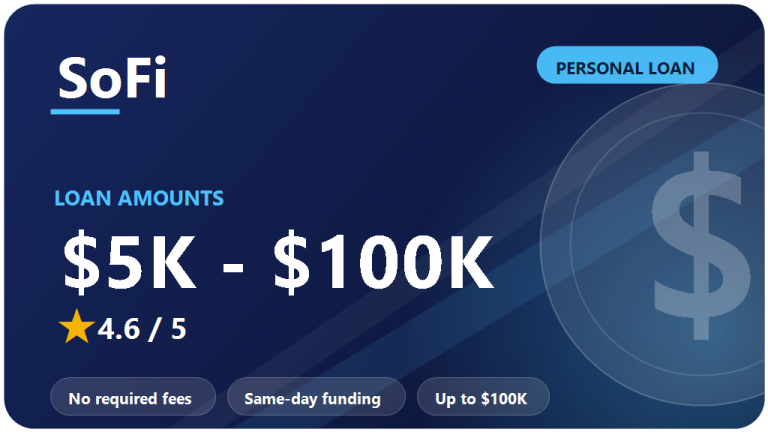
SoFi Personal Loan Review 2026: Is It Worth It?
Our SoFi personal loan review covers rates, fees, and funding speed. Loans up to $100,000 with no origination, late, or…
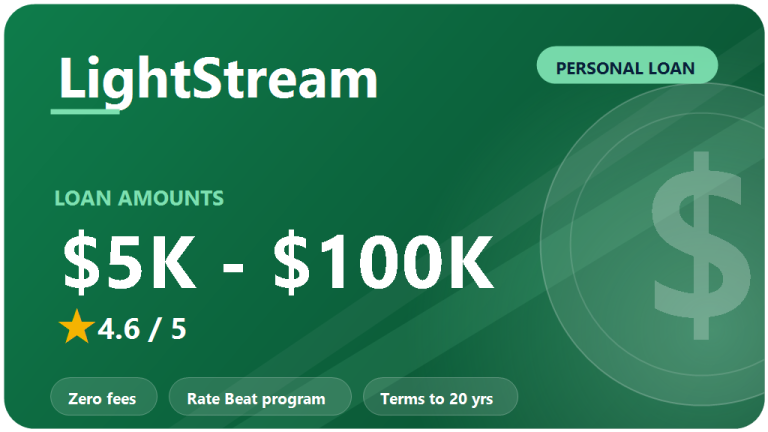
LightStream Personal Loan Review 2026: Is It Worth It?
Our LightStream personal loan review covers rates, terms, and its no-fee promise. Loans up to $100,000 with a Rate Beat…
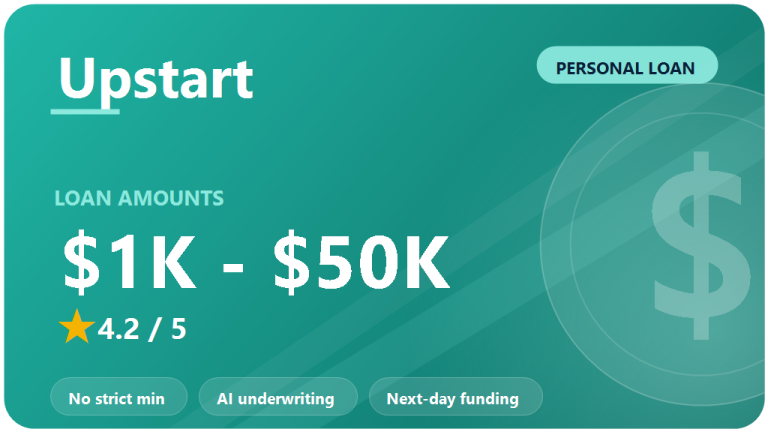
Upstart Personal Loan Review 2026: Is It Worth It?
Our Upstart personal loan review covers its AI underwriting, rates, and fees. Loans from $1,000 with no strict minimum credit…