If your credit score has kept you from qualifying elsewhere, this Upstart personal loan review is worth reading closely. Upstart is an AI-driven lending platform that looks beyond your FICO score — weighing factors like education, area of study, and employment history — to approve borrowers that traditional lenders might reject. That approach makes Upstart one of the most accessible options for people with short credit histories or fair credit. The trade-off is that this accessibility can come with higher rates and origination fees.
Here’s a clear-eyed look at Upstart’s rates, terms, fees, and eligibility so you can decide whether its unconventional model works in your favor.
In this article
| Loan amounts | $1,000 – $50,000 (up to $75,000 in some states) |
| APR range | Roughly 6.2% – 35.99% fixed (as of 2026 — confirm with a quote) |
| Repayment terms | 3 or 5 years |
| Fees | Origination fee 0% – 12%; possible late fees |
| Funding time | As fast as the next business day |
| Best for / credit needed | Fair credit and thin files (no strict minimum score) |
Upstart rates & terms
Upstart offers fixed-rate personal loans from $1,000 to $50,000, with limits reaching $75,000 in some states. The low $1,000 floor is genuinely useful — many competitors won’t lend less than $5,000 — making Upstart practical for smaller needs like a car repair or a modest medical bill. Repayment terms are limited, however, to just three or five years, so you won’t find the long payoff windows some lenders offer.
As of 2026, APRs run from roughly 6.2% at the low end to a maximum of 35.99%. Because Upstart’s model serves a wider credit spectrum, the majority of borrowers land somewhere in the middle of that range. If you have excellent credit, you can almost certainly find a lower rate elsewhere; Upstart’s advantage is approving people who’d otherwise be shut out entirely.
How the AI underwriting works
Founded by former Google employees, Upstart pioneered the use of non-traditional data in lending. Instead of relying solely on your credit score, its model factors in signals like your education, field of study, and job history to estimate your ability to repay. In practice, that means Upstart can approve borrowers with limited credit history or scores that would be declined by a bank — and it accepts applicants with scores as low as the 300s (effectively no strict minimum), though state rules and partner banks may impose their own floors.
Fees & costs
This is the area where you need to read the fine print. Upstart charges an origination fee ranging from 0% to 12% of the loan amount, deducted from your proceeds before the money hits your account. On a higher-risk profile, that fee can be substantial — a 12% origination fee on a $10,000 loan means you receive only $8,800 but repay based on the full amount. Upstart may also charge late fees. There’s no prepayment penalty, so you can pay the loan off early to save on interest.
Benefits & standout features
Upstart’s biggest benefit is access. If you’ve been turned down elsewhere, its AI model gives you a real shot at approval. You can check your rate in minutes with a soft credit pull that doesn’t affect your score, and funding is fast — many borrowers receive money as soon as the next business day after accepting their loan.
The application is fully online and streamlined, and Upstart lends for a broad set of purposes, including debt consolidation, credit card refinancing, medical bills, and moving costs. For a borrower rebuilding credit, successfully repaying an Upstart loan can also help establish a positive payment history.
Who it’s for — and who should skip it
Upstart is best for borrowers with fair credit, a thin credit file, or a recent financial setback who value approval odds over rock-bottom rates. Its low minimum loan amount and next-day funding also make it handy for smaller, time-sensitive needs.
You should skip Upstart if you have strong credit — you’ll almost certainly get a lower rate and no origination fee from a lender like SoFi or LightStream. You should also look elsewhere if you want a long repayment term beyond five years, or if you can’t stomach a double-digit origination fee.
- Approves fair credit and thin files via AI underwriting
- Low $1,000 minimum loan amount
- Soft-pull rate check with no score impact
- Fast funding, often the next business day
- No prepayment penalty
- Origination fees up to 12%
- APRs can reach 35.99%
- Only two term options (3 or 5 years)
- Possible late fees
What credit score do I need for an Upstart loan?
Does checking my rate hurt my credit?
How much is Upstart’s origination fee?
How fast will I get my money?
The Bottom Line
This Upstart personal loan review shows a lender that fills a real gap: it approves borrowers who traditional banks turn away, thanks to AI underwriting that looks beyond your credit score. If you have fair credit or a limited history and need fast, accessible financing, Upstart is one of your best bets — just go in clear-eyed about origination fees and higher APRs. Borrowers with strong credit will do better elsewhere. Before accepting, compare your Upstart offer against a competitor such as Upgrade or Best Egg, and if you’re borrowing to escape credit card debt, our guide on investing versus paying off debt can help you plan your next move.

Read also
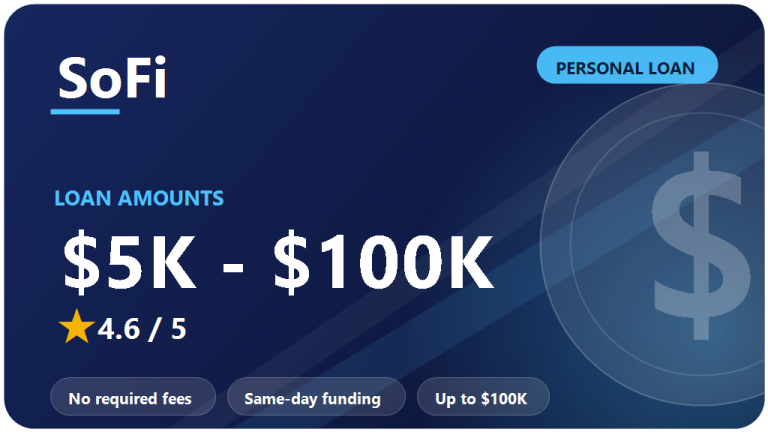
SoFi Personal Loan Review 2026: Is It Worth It?
Our SoFi personal loan review covers rates, fees, and funding speed. Loans up to $100,000 with no origination, late, or…
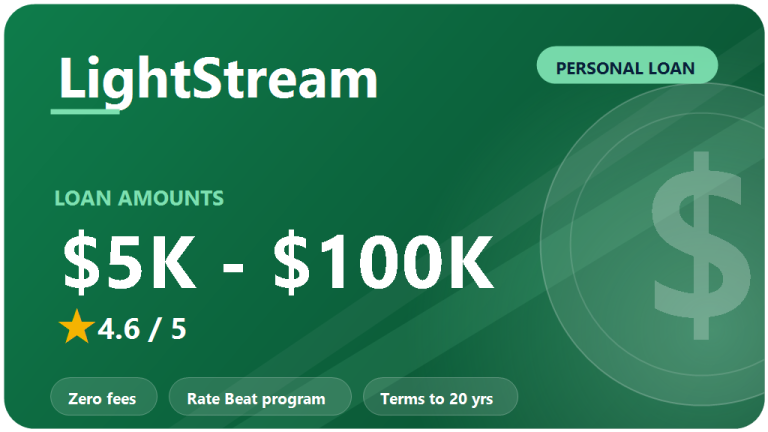
LightStream Personal Loan Review 2026: Is It Worth It?
Our LightStream personal loan review covers rates, terms, and its no-fee promise. Loans up to $100,000 with a Rate Beat…
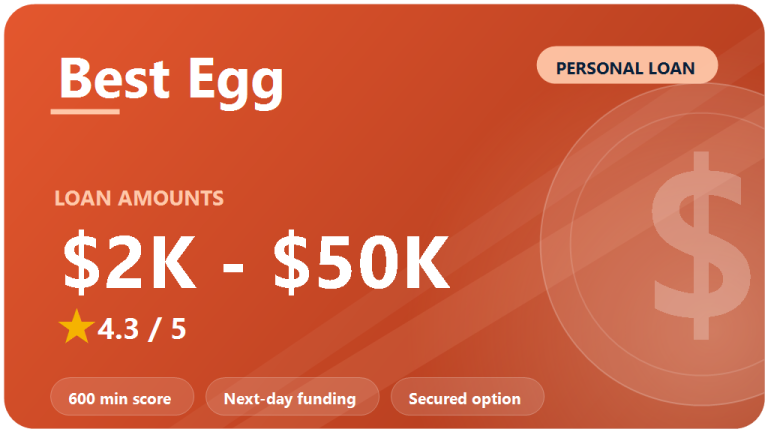
Best Egg Personal Loan Review 2026: Is It Worth It?
Our Best Egg personal loan review covers rates, fees, and funding. Loans from $2,000 with a ~600 minimum score, secured…